An Embroidery Designer Reviews the Basketball Mug Wrap PNG
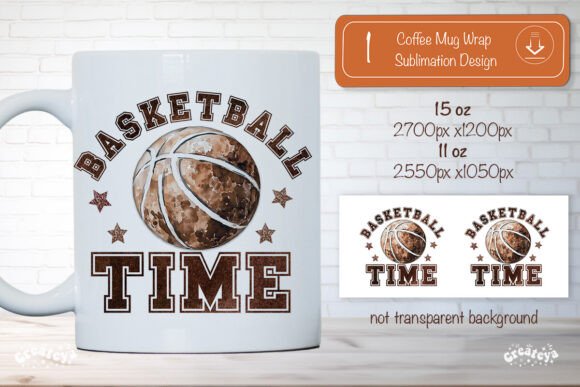
When a new digital design lands on my desktop, my first thought is always practical: Where will this live? Not just as a file, but as a physical stitch on fabric. Today, I’m looking at the Basketball Mug Wrap Sublimation PNG, a design ostensibly built for mug decoration, but through my lens as someone who works with embroidery machines and clients daily, I’m judging its potential beyond its original intent. Let’s walk through how this sports-themed graphic translates into real embroidered projects.
The Immediate Mood: Energy You Can Stitch
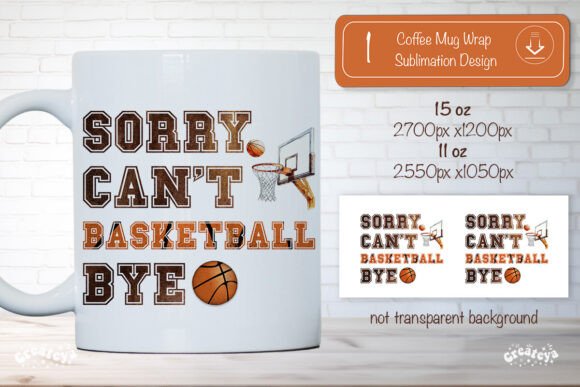
The first impression is unmistakably vibrant and kinetic. This isn’t a static, flat logo; it’s a wrap design, suggesting motion and celebration. For embroidery, that’s a fascinating starting point. The energy it describes—perfect for fans, coaches, players—is a mood I want to capture in thread. When a client asks for a gift for a basketball enthusiast, they’re rarely looking for something sedate. They want passion and pride. This design’s layout, with its inherent circular or panoramic flow, feels ready to become a central, celebratory element on an embroidered patch, a sweatshirt embroidery, or the focal point of a tote bag design. The visual personality is bold and clear, which is excellent for stitch clarity.
From Digital Graphic to Stitched Reality
In my work, a high-resolution PNG is a blueprint, not the final product. The real test is how those shapes and themes survive the translation to satin stitches, fill stitches, and running stitches. Here’s a natural scenario: I’m preparing a custom embroidered tote bag for a client who runs a youth basketball league. They want a professional yet spirited gift for their coaches. Using this Basketball Mug Wrap design as the core art means considering its detail level. The high-resolution nature suggests clean edges, which is good for embroidery file conversion. However, I’m immediately thinking about stitch density. Areas meant to be solid color in the PNG will become filled stitch regions. On a tote bag’s often textured fabric, a very dense fill might be too stiff. This means in my prep, I’d likely test the design on scrap canvas first, adjusting densities to keep the bag pliable.
This design’s appeal extends far beyond mugs. It naturally belongs on custom apparel like hoodies and jackets for team spirit, on baby clothes for a sporty nursery theme (think a tiny jersey), or as a personalized gift on a pillow cover for a fan’s den. For small business merchandise, like a boutique selling local team gear, it could be embroidered onto caps or aprons instantly raising the product’s perceived value through that handmade, detailed touch. The circular "wrap" concept could adapt beautifully to the curved surface of a cap, though that requires careful digitizing to maintain shape.
Where This Design Demands Extra Attention
Not every project is a perfect fit. My professional judgment flags a few areas for careful use. First, small hoop sizes. If you try to shrink this design down for a delicate baby embroidery on a little shirt sleeve, those energetic details might become a muddled mess of tiny stitches. Always confirm your minimum viable hoop size for clarity.
Textured or stretchy fabrics also require caution. Embroidering this onto a thick sweater or a stretchy knit hat needs the right stabilizer strategy to prevent puckering and to keep the basketball’s crisp lines intact. Dark fabric is another consideration. The original PNG’s color palette might be bright; on a black garment, you’ll need to review thread color contrast thoroughly, perhaps opting for a bolder, lighter thread scheme to keep the energy visible. And for products destined for frequent washing, like kitchen towels or team uniforms, the stitch integrity and thread choices become paramount for longevity.
The Stitched Result: Value, Trust, and Engagement
How does using this design affect the final product’s appeal? When executed well, a clean, vibrant basketball embroidery conveys immediate recognition and professionalism. For a craft business or Etsy seller, that builds customer trust—they see a polished, thoughtful product. The handmade product feels intentionally designed, not generic. This boosts giftability immensely; a parent receiving an embroidered blanket with this design for their star player child feels the personal touch.
For commercial embroidery projects, like creating patches for a local sports bar’s staff aprons, it reinforces brand consistency with a fun, thematic asset. In digital product previews and printable mockups for those selling the design itself, showing it applied to an embroidered cap or bag (even digitally) engages buyers by showing real-world application. It moves from being just a "graphic" to a viable embroidery project asset.
A Designer’s Practical Notes Before You Hoop It
Before I’d ever load this for a client project, my routine is simple but critical.
- Always, always test the design on scrap fabric first. Use a similar material to your target project.
- Check the design in both black and white mockups to understand its form separate from color.
- Compare how it looks on light and dark fabric backgrounds digitally to plan your thread palette.
- Inspect the small details. Are there any tiny intersections or corners that might not stitch cleanly?
- Use proper stabilizer. This is non-negotiable for professional results.
- Most importantly, confirm licensing before selling finished items. The product description mentions it’s a digital set, but you must verify if it’s cleared for commercial embroidery projects or if it’s for personal use only. This is a cornerstone of professional practice.
The Basketball Mug Wrap Sublimation PNG, from the crafts and graphics category, holds strong potential for embroidery designers and makers. Its energetic personality is its greatest asset. By thoughtfully adapting it—considering fabric, size, and end-use—you can create finished products that truly score big with customers, turning digital energy into tangible, stitched celebration.